How to fix a curdled sauce (like hollandaise or butter sauce)
Curdled sauces like hollandaise or beurre blanc can look sad and grainy, but they’re often salvageable with simple fixes. With a little patience and the right technique you can bring them back to a smooth, glossy emulsion and save your meal.
Step 1: Remove from heat immediately
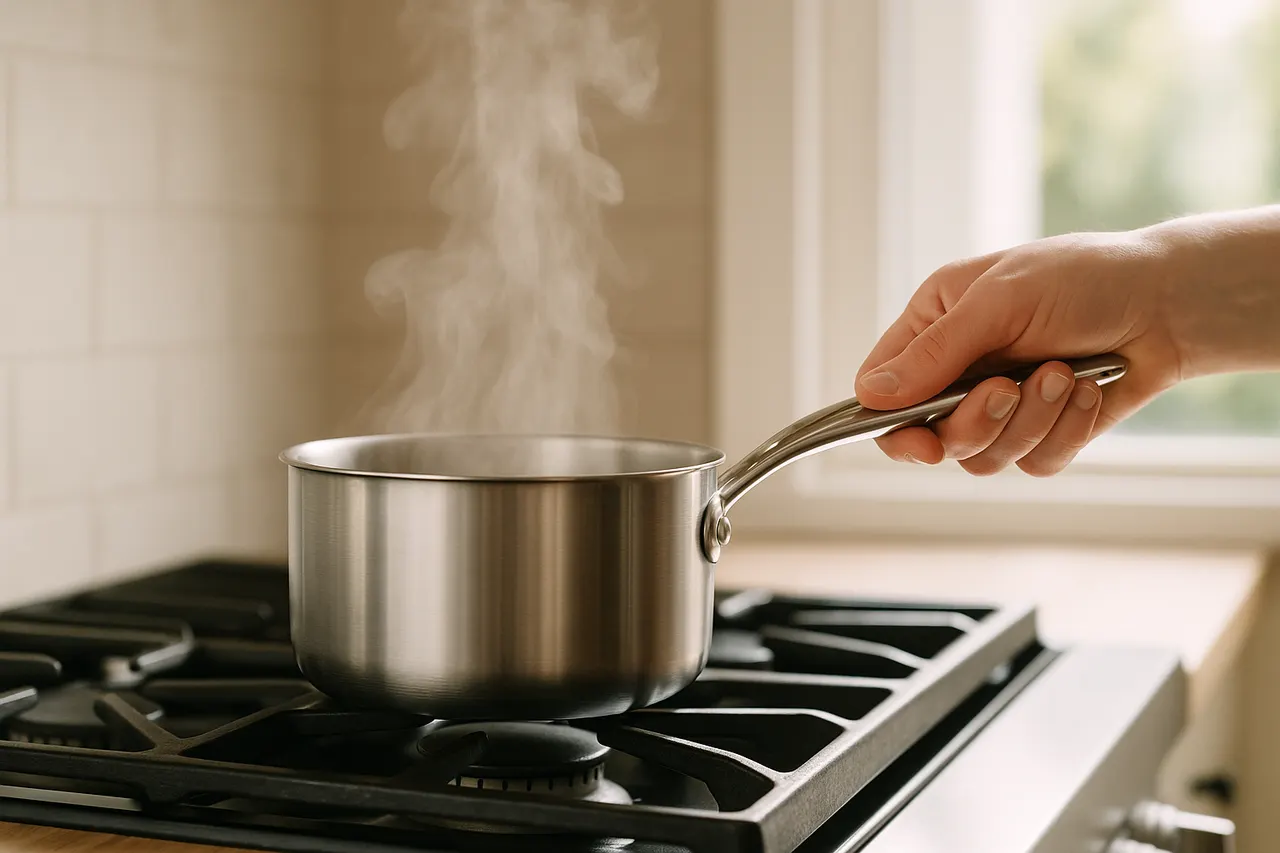
Take the sauce off the stove as soon as you see separation or graininess; residual heat will worsen curdling. Let it cool for 30–60 seconds so it stops cooking the eggs or breaking the butter further.
Step 2: Whisk vigorously over low heat
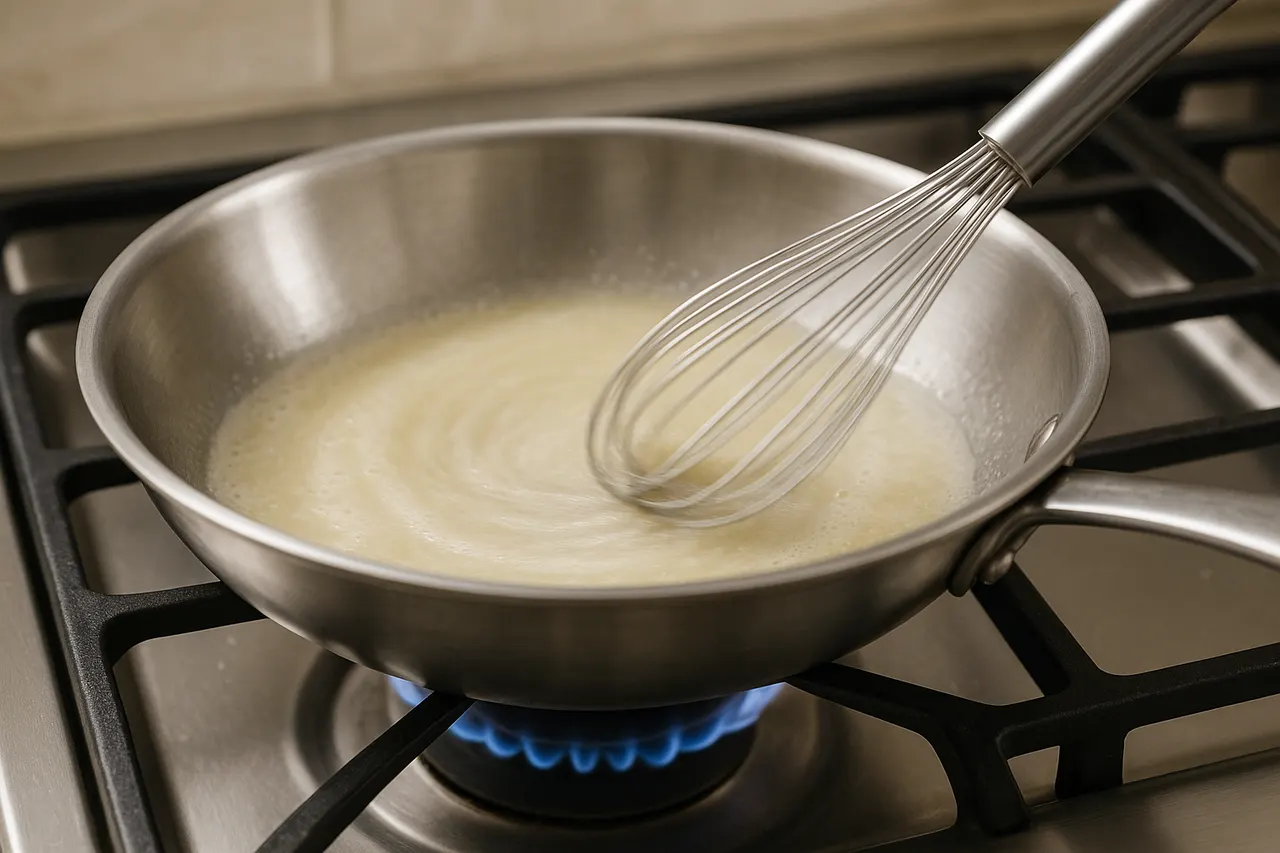
Return the pan to the lowest simmer and whisk constantly for 30–90 seconds to encourage re-emulsification. Gentle controlled heat helps fat and water come back together without scrambling the eggs.
Step 3: Use an ice bath to cool quickly
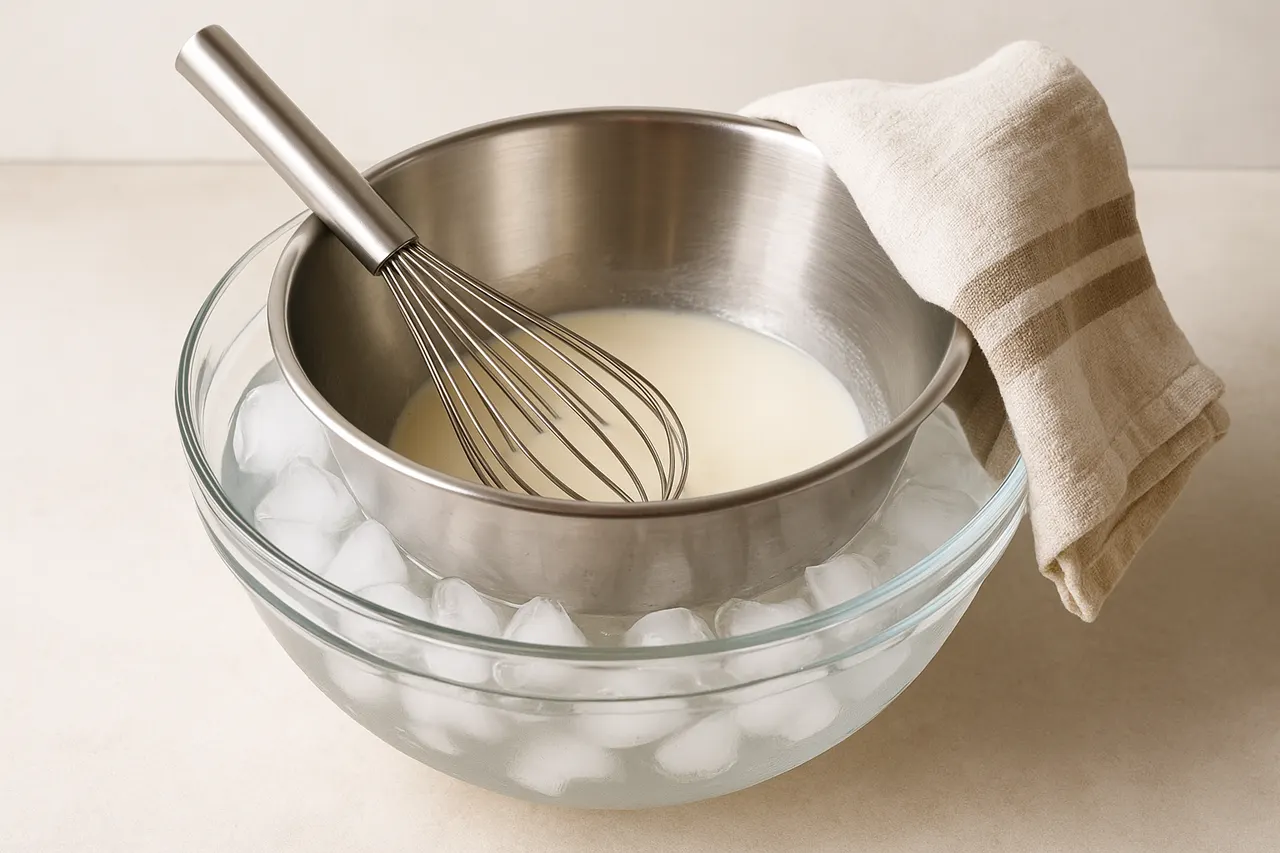
Set the bowl or pan in an ice water bath and whisk for 1–2 minutes to chill the sauce rapidly; cooling can tighten the emulsion and stop further separation. Keep a small towel between the hot container and ice to avoid water getting into the sauce.
Step 4: Create a new base in a clean bowl
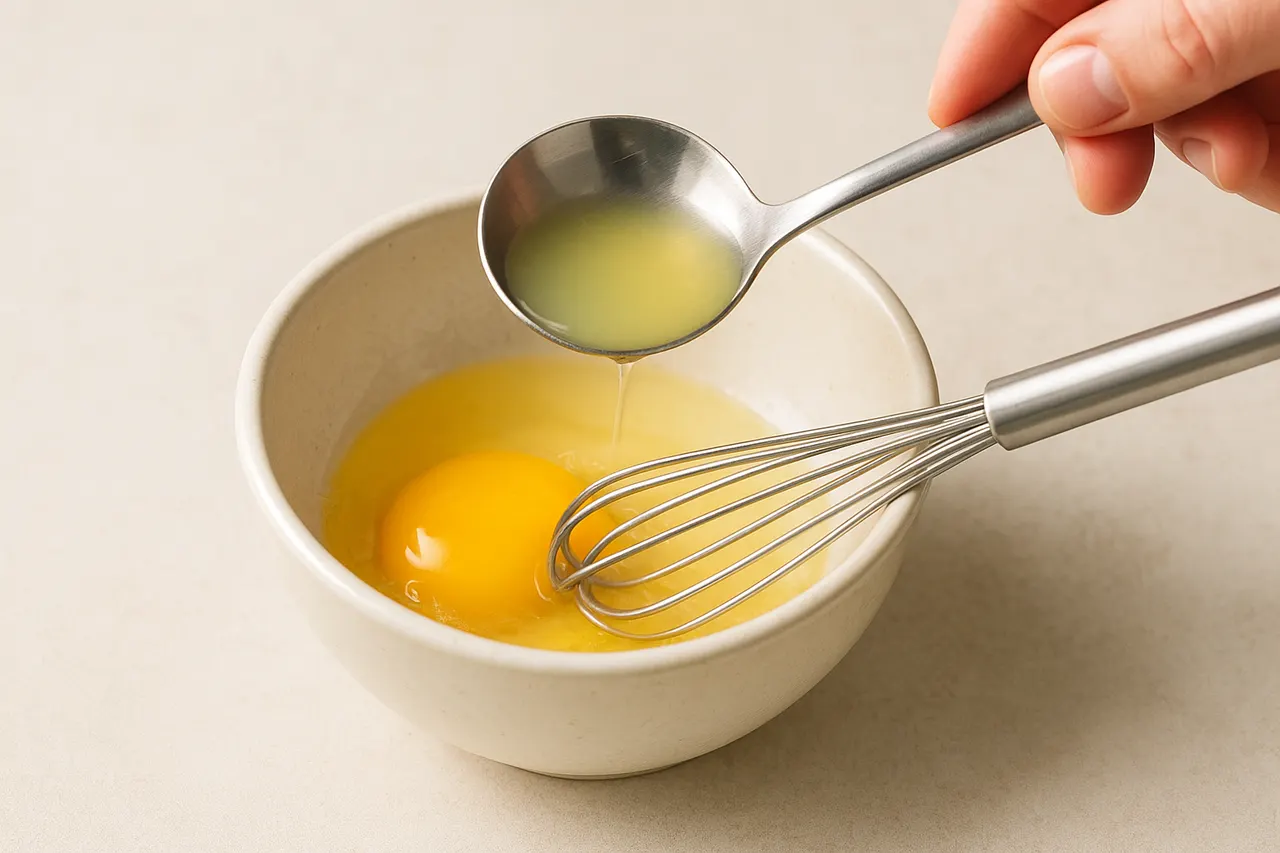
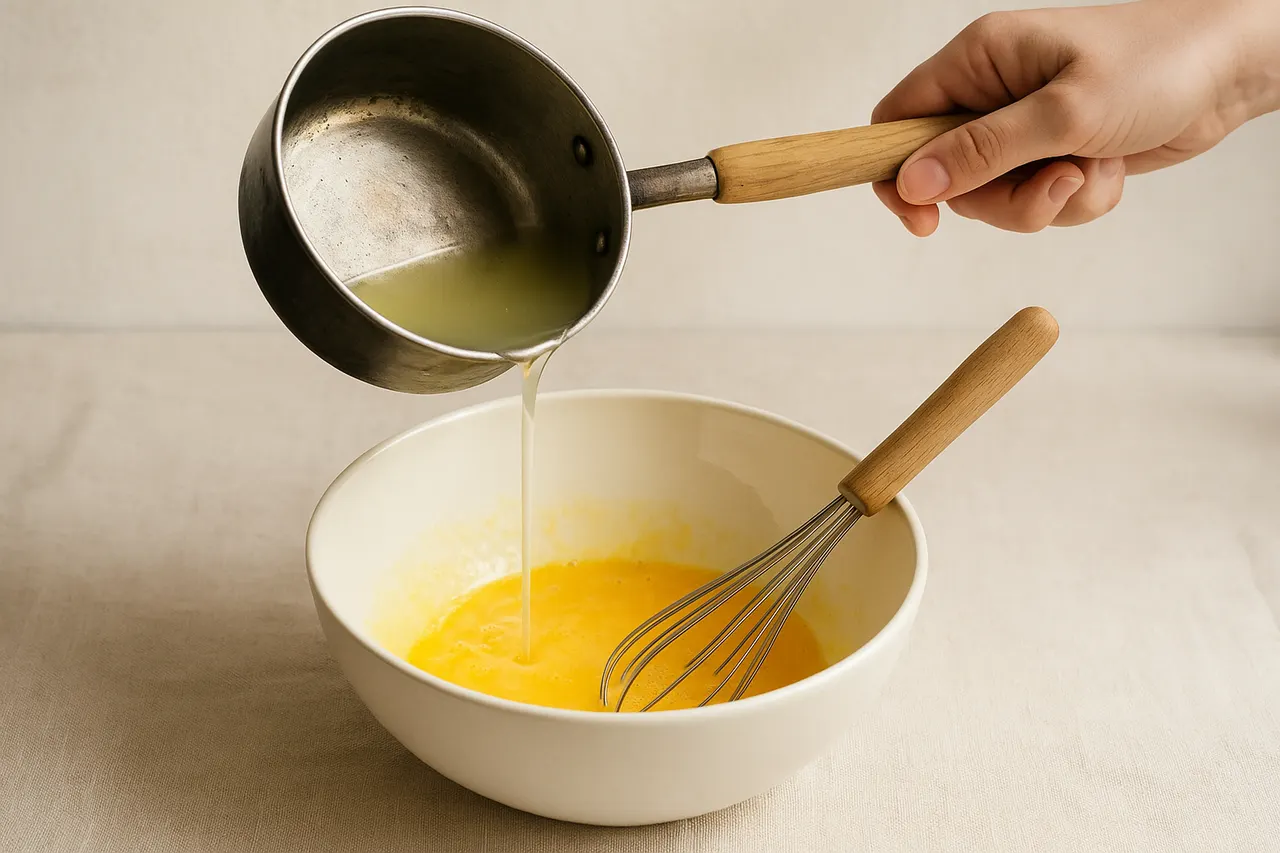
If whisking fails, start a fresh base: whisk 1 teaspoon warm water or 1 teaspoon lemon juice with 1 egg yolk in a clean bowl until smooth. This fresh emulsion will receive the broken sauce and stabilize it.
Step 5: Slowly drizzle in the broken sauce
Very slowly add the curdled sauce into the fresh yolk base, a few drops at a time while whisking vigorously, then increase to a thin steady stream when it begins to combine. Gradual incorporation lets fat re-emulsify without overwhelming the yolk.
Step 6: Adjust temperature and consistency
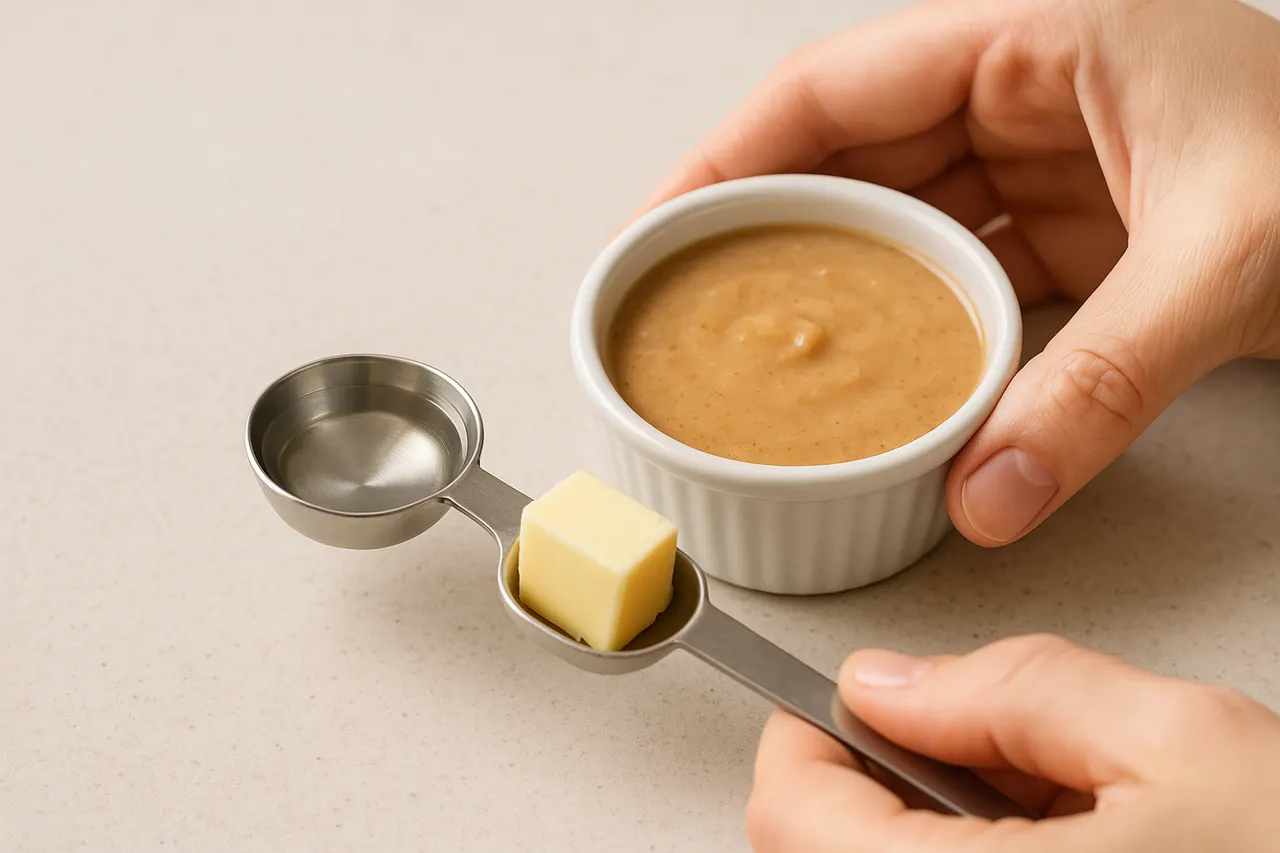
If sauce is too thick, whisk in 1–2 teaspoons warm water or lemon juice at a time until you reach desired texture; if too thin, whisk in a teaspoon of melted unsalted butter or an extra yolk to thicken gently. Taste and correct seasoning with salt and 1–2 teaspoons lemon juice.
Step 7: Finish with gentle warming and serve
Warm the restored sauce briefly over very low heat while whisking for 15–30 seconds to integrate everything, then serve immediately. Keep it on a warm (not hot) place; hold temperature at about 40–50°C (104–122°F) to avoid re-breaking.
- Start with room-temperature eggs and cold butter to reduce shock when combining fats and liquids.
- Use a heavy-bottomed saucepan and moderate heat throughout to prevent hot spots that scramble eggs.
- If you don’t want to use eggs, a slurry of 1 teaspoon cornstarch + 2 tablespoons cold water can rescue simple butter-thickened sauces.
- A blender or immersion blender can quickly re-emulsify a sauce: blend broken sauce with 1 teaspoon warm water or lemon juice for 15–20 seconds.
- When adding butter to a sauce, cut it into 1 tablespoon pieces and incorporate slowly to maintain the emulsion.
- If acid (lemon, vinegar) caused the curdle, reduce additional acid additions and balance flavor with a pinch of sugar if needed.
- Make only the amount of hollandaise you need; small batches are easier to control and rescue.
- Do not overheat — keep temperatures under 60°C (140°F) to avoid scrambling egg yolks and worsening separation.
- Avoid adding large amounts of cold butter or liquid at once; abrupt temperature or composition changes cause breaking.
- If you smell a burnt or bitter off-odor, discard the sauce — warming won’t remove burned flavors and it’s better to start fresh.
- If anyone is pregnant or immunocompromised, use pasteurized eggs or a fully cooked recipe to avoid food-safety risks.
Was this guide helpful?
More Food & Entertaining guides
How to make stovetop shakshuka with tender eggs and balanced tomato sauce
Shakshuka is a comforting North African–style skillet of eggs poached in a spiced tomato sauce. This guide walks you through building a balanced sauce and gently cooking tender eggs on the stovetop so yolks stay silky while the sauce is bright and flavorful.
How to make homemade sourdough starter and maintain regular feedings
Making a sourdough starter is a simple, rewarding kitchen project that captures wild yeast and beneficial bacteria to leaven bread. With just flour, water, and a little patience you can build a lively culture and keep it healthy with regular feedings. Follow the step-by-step routine below to create and maintain a starter that will power many loaves.
How to assemble and store layered salads so they don’t get soggy before eating
Layered salads are a colorful, make-ahead way to serve a crowd, but soggy ingredients can ruin the texture. With a few simple construction and storage strategies you can keep greens crisp and dressings separated for 24–72 hours. Follow these steps to assemble jars or bowls that travel well and taste fresh when served.