How to fix an oversalted soup or stew
Oversalting happens to even experienced cooks — it’s fixable without starting over. This guide walks through practical, inexpensive methods to reduce perceived saltiness so your soup or stew becomes balanced and enjoyable again. Follow a few simple techniques and taste as you go.
Step 1: Remove and dilute with water
Ladle out 1 to 2 cups of the liquid into a separate container, then replace with 1 to 2 cups of water or low-sodium stock. Stir and simmer 5 to 10 minutes to meld flavors; dilution lowers overall salt concentration while preserving texture. Repeat cautiously until salt level improves.

Step 2: Add low-sodium broth
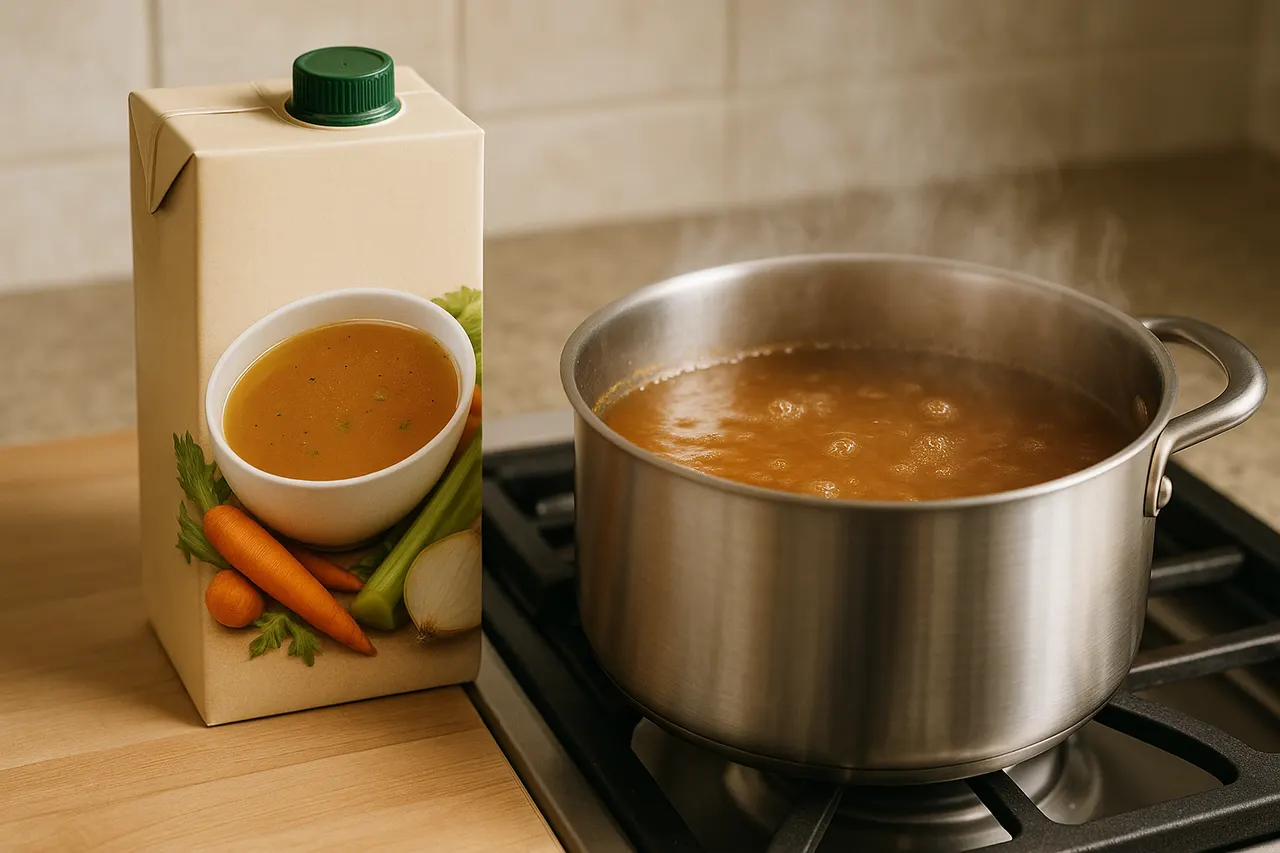
Replace up to 50% of the cooking liquid with unsalted or low-sodium chicken, beef, or vegetable broth. Heat and simmer 10 to 15 minutes so flavors redistribute; this keeps body and umami without extra sodium. Taste after 5 minutes and adjust further if needed.
Step 3: Incorporate starchy ingredients
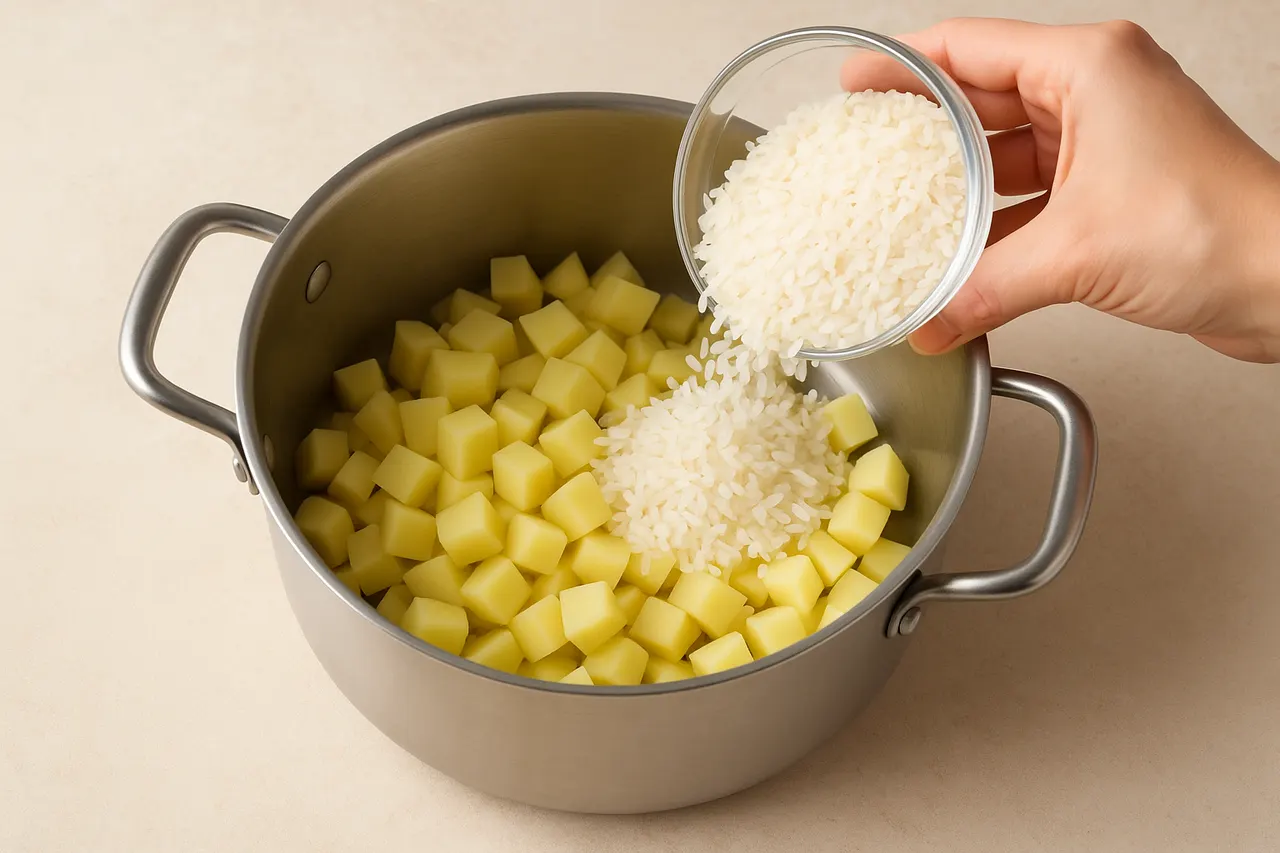
Add peeled diced potato, 1 medium potato per 4 cups of soup, or 1/2 cup cooked rice or pasta and simmer 15 to 20 minutes. Starches absorb some salt and increase volume, reducing perceived salt intensity. Remove potato pieces before serving if texture or flavor is undesired.
Step 4: Use acid to balance flavor
Stir in acid such as 1 to 2 teaspoons lemon juice or 1 tablespoon apple cider vinegar per quart, then simmer 2 to 3 minutes. Acid brightens flavors and counteracts saltiness without lowering sodium content, giving a more balanced taste. Add little by little and taste frequently.

Step 5: Add unsalted dairy or coconut
Whisk in 1/4 to 1/2 cup unsweetened plain yogurt, sour cream, or coconut milk per quart and heat gently for 3 to 5 minutes. Creamy elements mellow salt perception and add richness; avoid boiling yogurt to prevent curdling. Stir continuously until integrated.

Step 6: Introduce sweet or bitter notes
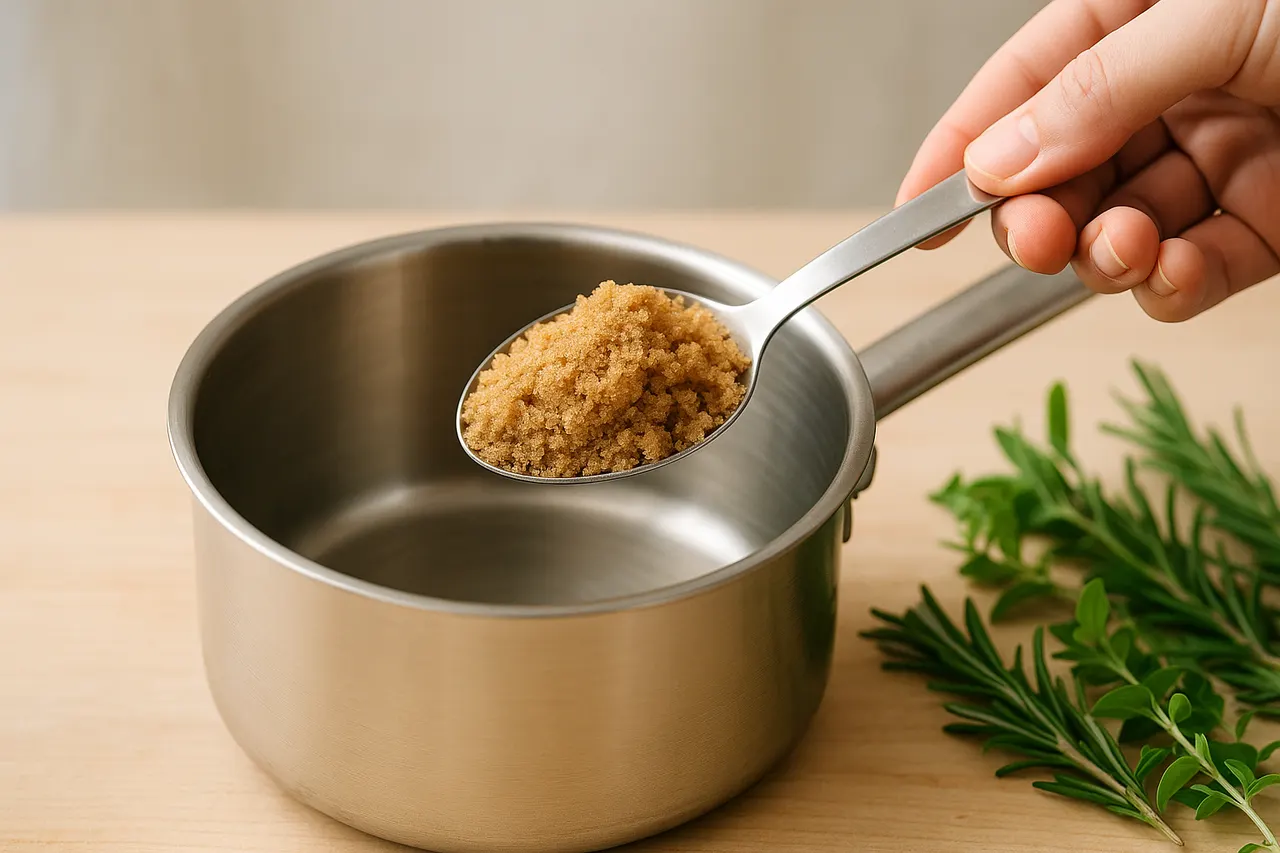
Add 1 to 2 teaspoons brown sugar, maple syrup, or a small diced carrot and simmer 5 to 10 minutes to soften. Alternatively add a handful of chopped fresh herbs like parsley or a bay leaf to distract perception. Small sweet or aromatic additions round out the flavor profile without much sodium.
Step 7: Create a separate unsalted batch
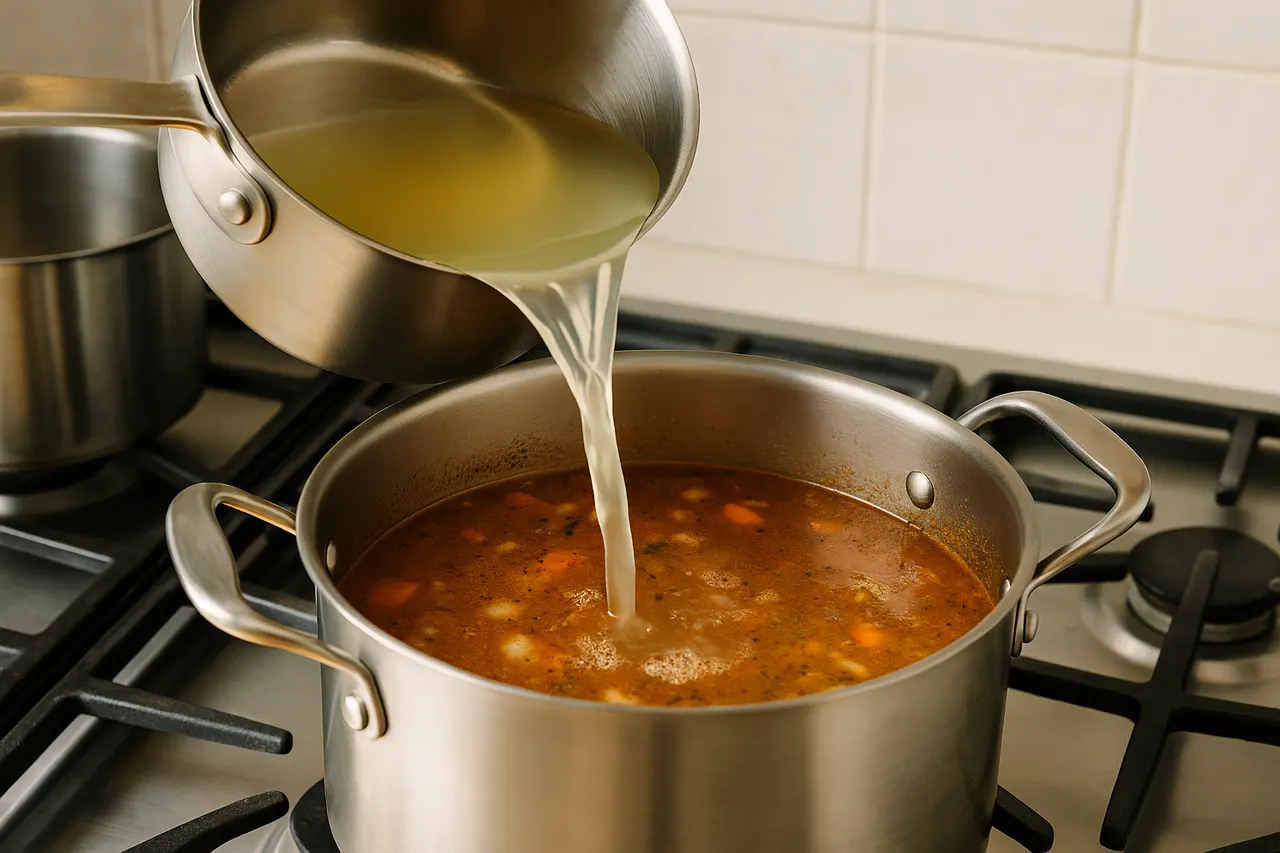
If soup is still too salty, make 2 to 4 cups of unsalted base (water, unsalted stock, vegetables) and combine gradually until salt level is right; simmer 10 to 15 minutes. This effectively dilutes salt while preserving the original cooked ingredients. Chill and adjust again if necessary.
- Taste frequently — every 2 to 3 minutes after adjustments to avoid overcompensating.
- Start with small amounts: add 1 teaspoon or 1/4 cup increments and adjust up; you can always add more.
- If using potatoes to absorb salt, remove them before serving if they release starchy flavor you don’t want.
- Skim off salty surface foam or concentrated liquid when reducing, as that can be saltier than the rest.
- For clear broths, prefer dilution and acid; for creamy stews, prefer dairy or coconut additions.
- Keep a low-sodium stock on hand for emergency dilution instead of plain water.
- Record what worked for a particular recipe so you can prevent repeats and quickly fix future batches.
- Avoid adding large amounts of water without simmering; cold dilution can make flavors thin and watery.
- Do not add salt before trying fixes — you cannot un-salt food by adding more salt.
- Be careful with acidic or sweet additions if serving to children or guests with dietary restrictions.
- If the dish is extremely oversalted (salinity comparable to seawater), discard rather than risk health or unpalatable results.
Was this guide helpful?
More Food & Entertaining guides
How to make stovetop shakshuka with tender eggs and balanced tomato sauce
Shakshuka is a comforting North African–style skillet of eggs poached in a spiced tomato sauce. This guide walks you through building a balanced sauce and gently cooking tender eggs on the stovetop so yolks stay silky while the sauce is bright and flavorful.
How to make homemade sourdough starter and maintain regular feedings
Making a sourdough starter is a simple, rewarding kitchen project that captures wild yeast and beneficial bacteria to leaven bread. With just flour, water, and a little patience you can build a lively culture and keep it healthy with regular feedings. Follow the step-by-step routine below to create and maintain a starter that will power many loaves.
How to assemble and store layered salads so they don’t get soggy before eating
Layered salads are a colorful, make-ahead way to serve a crowd, but soggy ingredients can ruin the texture. With a few simple construction and storage strategies you can keep greens crisp and dressings separated for 24–72 hours. Follow these steps to assemble jars or bowls that travel well and taste fresh when served.