How to make homemade mayonnaise from scratch
Making mayonnaise at home is quick, economical, and yields a fresher, creamier result than many store-bought jars. With a few simple ingredients and basic tools you’ll make a stable emulsion that can be flavored any way you like.
Step 1: Gather fresh ingredients and tools
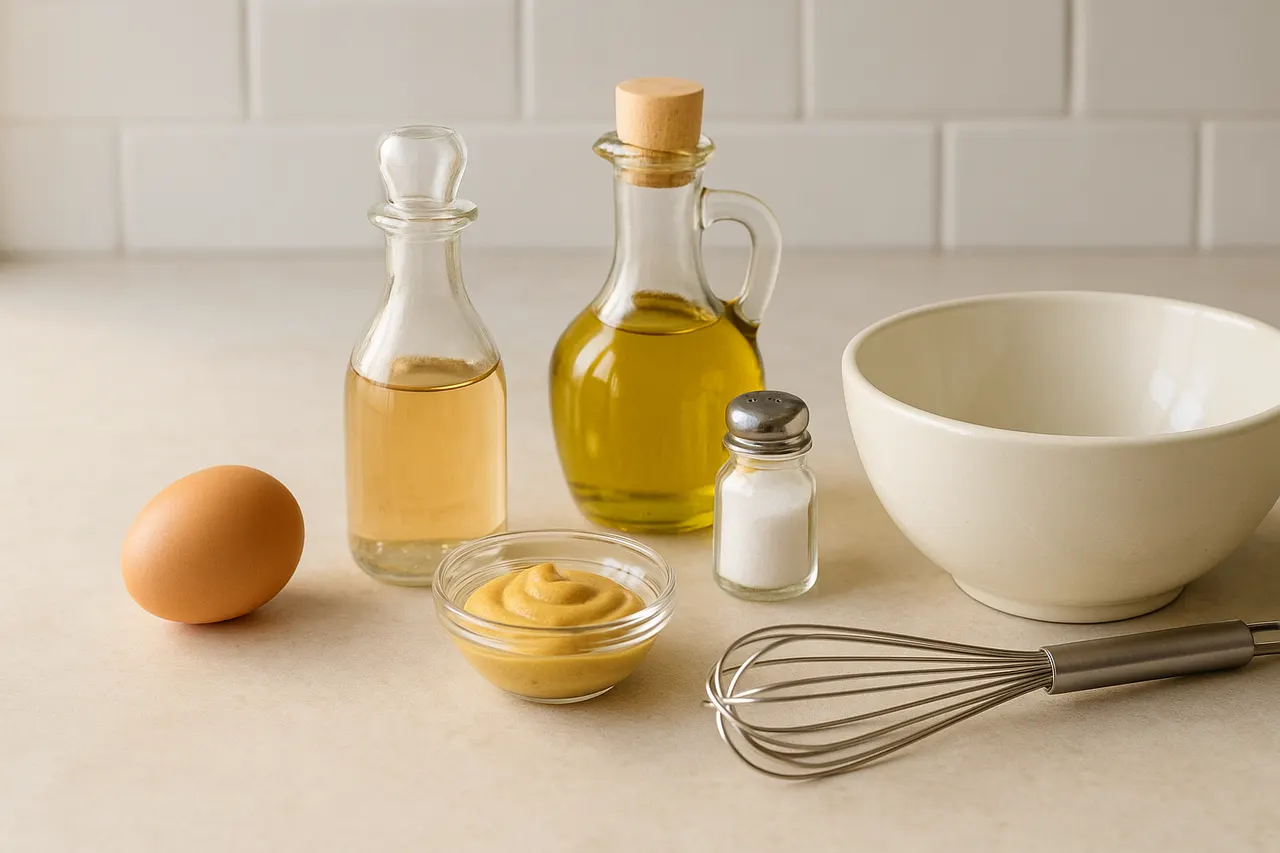
Use 1 large room-temperature egg, 1 tablespoon Dijon mustard, 1 tablespoon white wine vinegar or lemon juice, 1 cup (240 ml) neutral oil like canola or light olive oil, and 1/2 teaspoon fine salt. Have a bowl or jar, a whisk or hand blender, and a measuring cup ready; working with room-temperature components helps the emulsion form reliably.
Step 2: Prepare the egg base
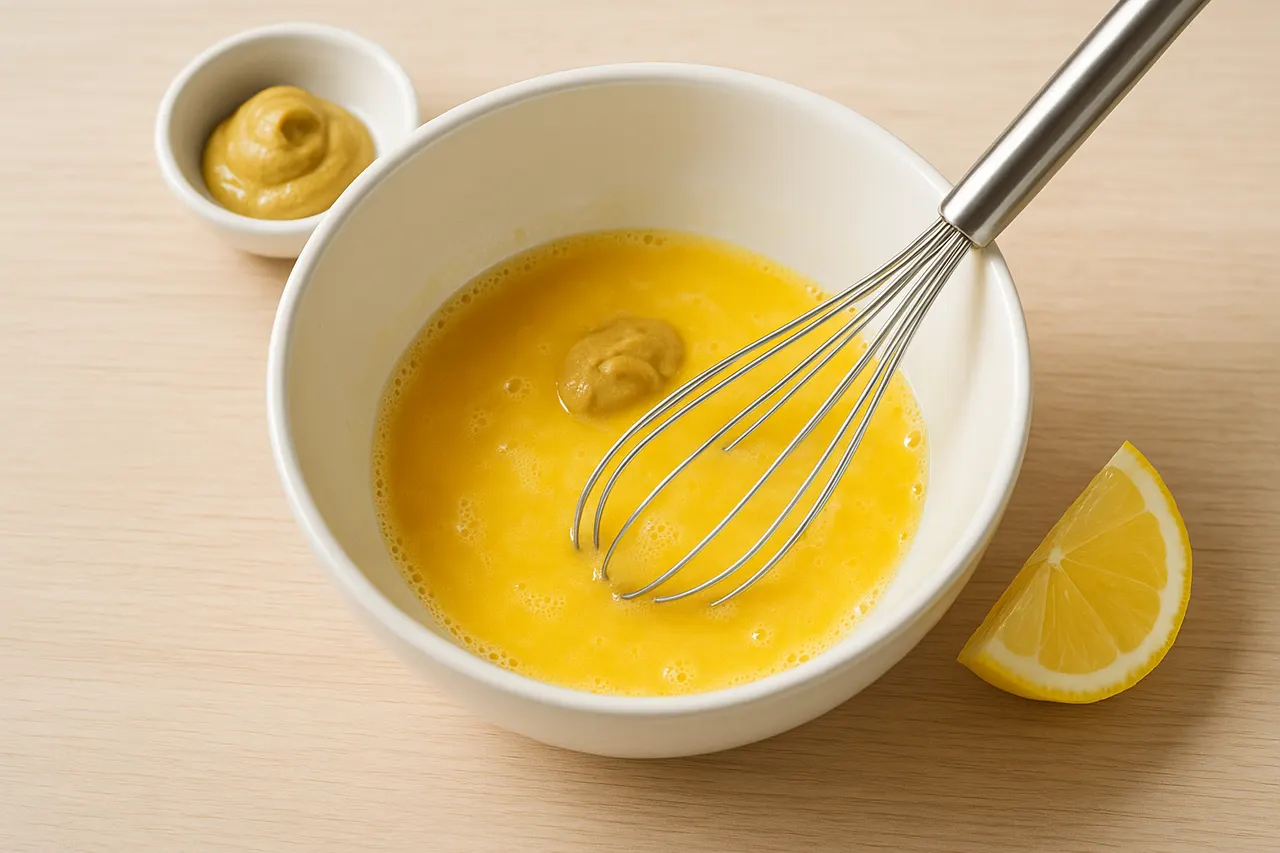
Crack the egg into a medium bowl and add mustard, vinegar or lemon juice, and salt. Whisk briefly until smooth and slightly frothy; the mustard and acid stabilize the emulsion and help flavor the mayo.
Step 3: Start oil slowly while whisking
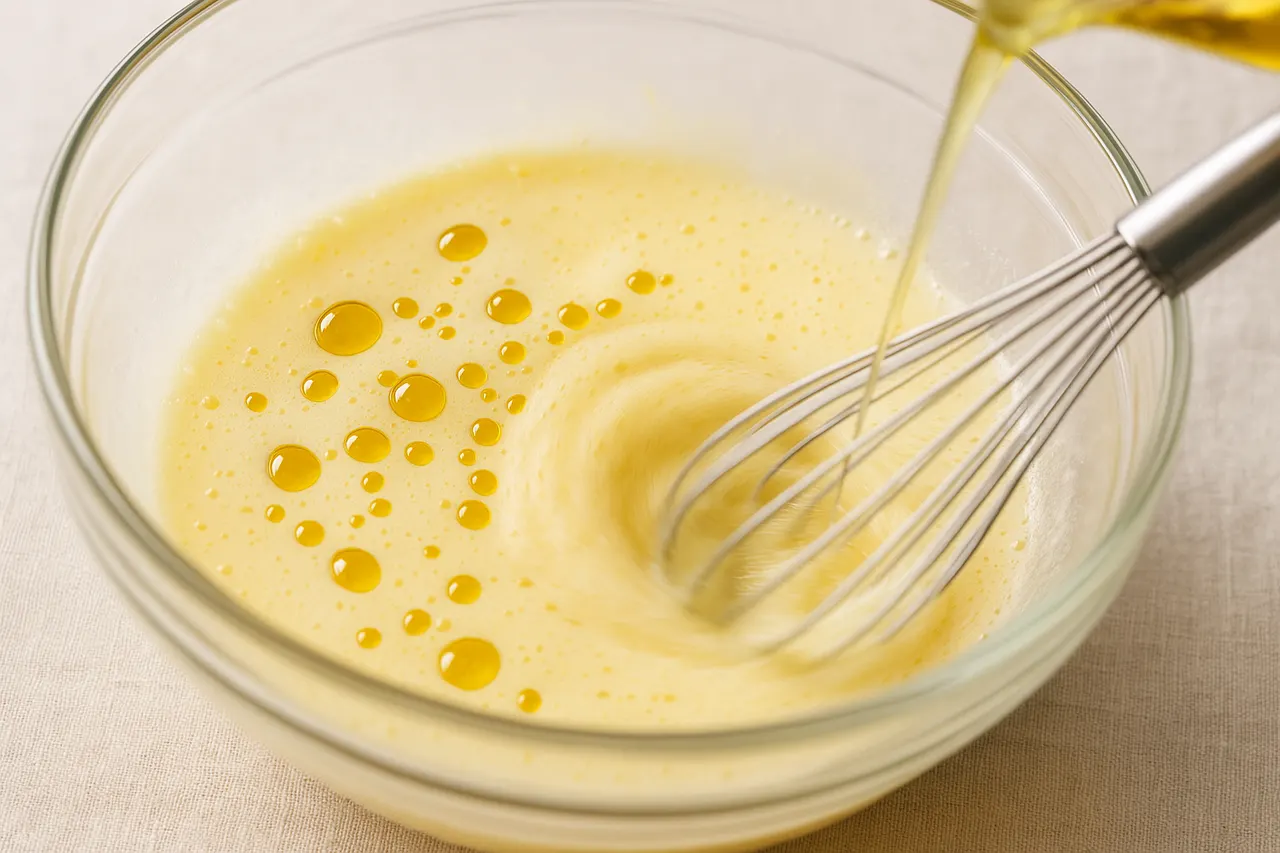
Begin adding oil drop by drop while whisking vigorously or holding a blender at the bottom of a jar. Continue for 30–60 seconds adding tiny amounts so the mixture begins to thicken; slow addition prevents the emulsion from breaking.
Step 4: Increase oil flow as it thickens
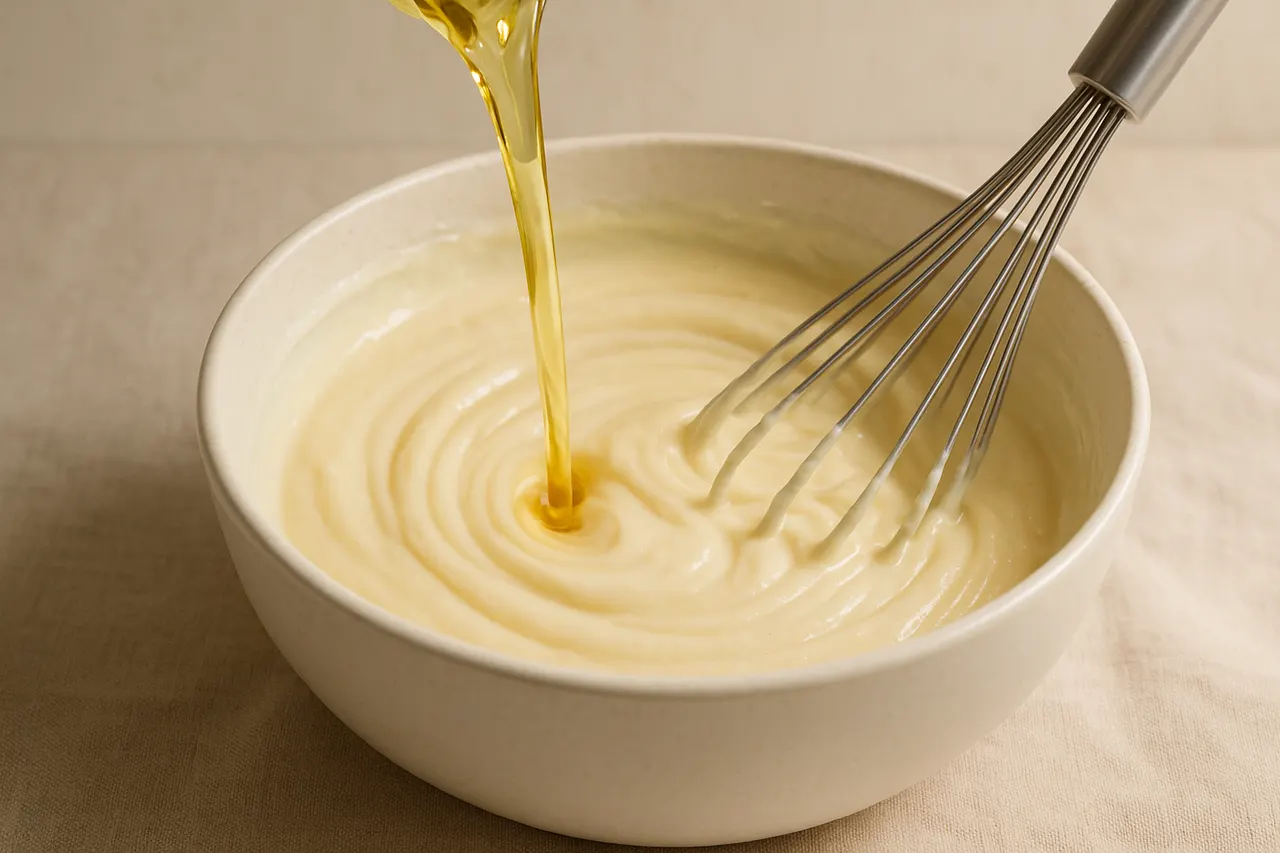
Once the mayo visibly thickens and becomes creamy, you can pour oil in a thin, steady stream (about 1 tablespoon every 3–5 seconds) while continuing to whisk or blend. This step usually takes 1–2 minutes to add the remaining oil and achieve the classic texture.
Step 5: Adjust texture and flavor
If the mayonnaise is too thick, whisk in 1–2 teaspoons of warm water to loosen it to your desired consistency. Taste and add up to 1/4 teaspoon more salt or a squeeze more lemon juice if needed; acid brightens the flavor and salt balances it.
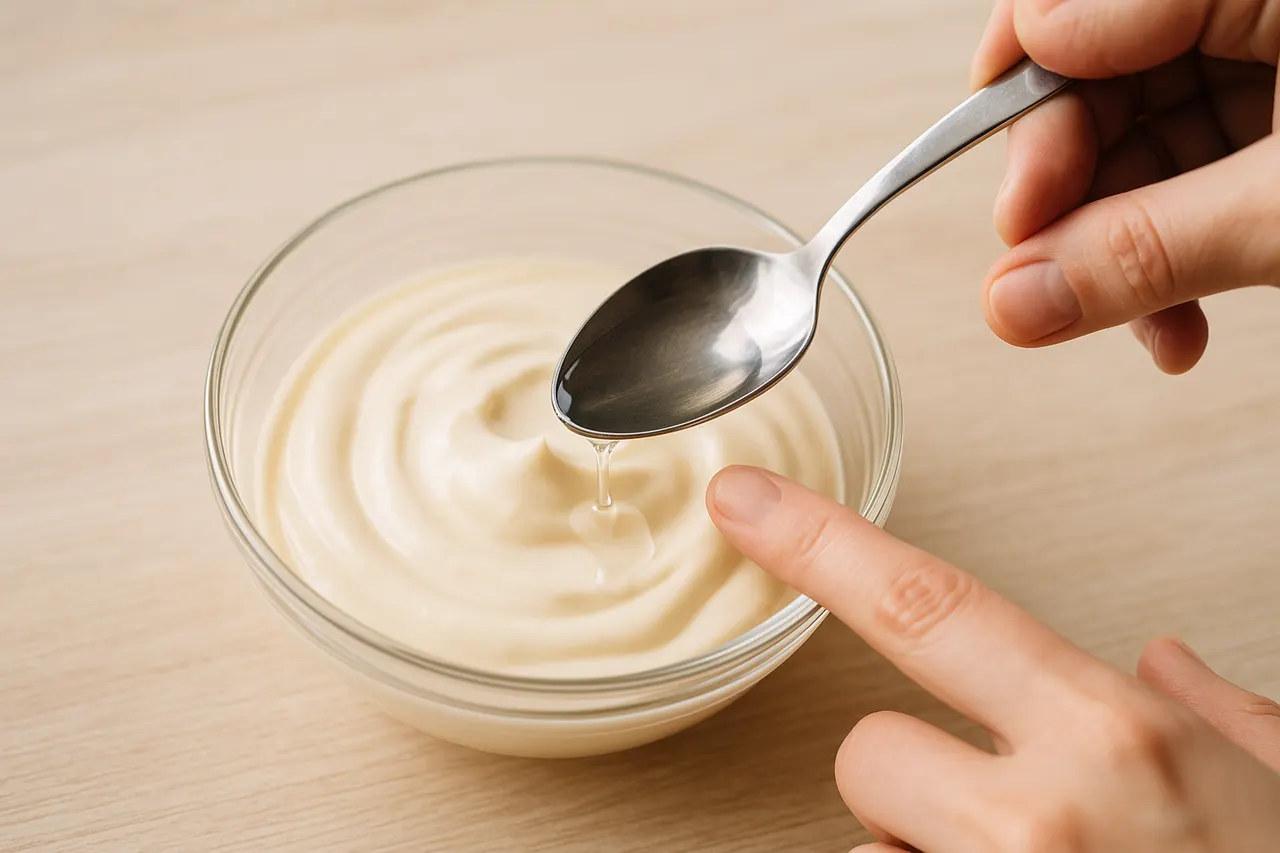
Step 6: Fix a broken emulsion if needed
If the mayo separates or looks curdled, rescue it by starting a new egg yolk in a clean bowl and slowly whisking the broken mayo into the yolk, drop by drop, until it re-emulsifies. This method reliably brings the sauce back together without wasting ingredients.
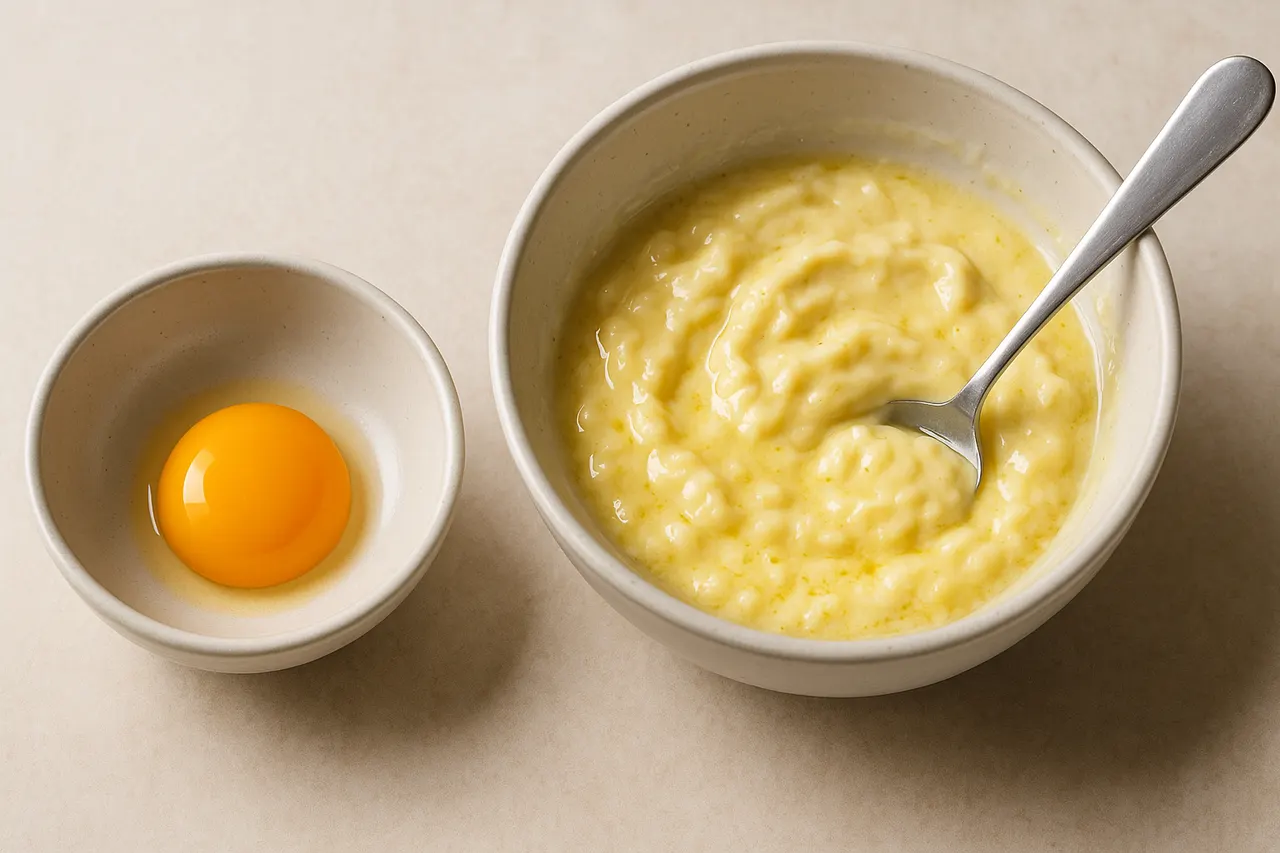
Step 7: Store and serve safely
Transfer mayonnaise to a clean airtight container and refrigerate; consume within 4–5 days. Keep it chilled and use clean utensils each time to prevent contamination; homemade mayo contains raw egg so prompt refrigeration is important for safety.
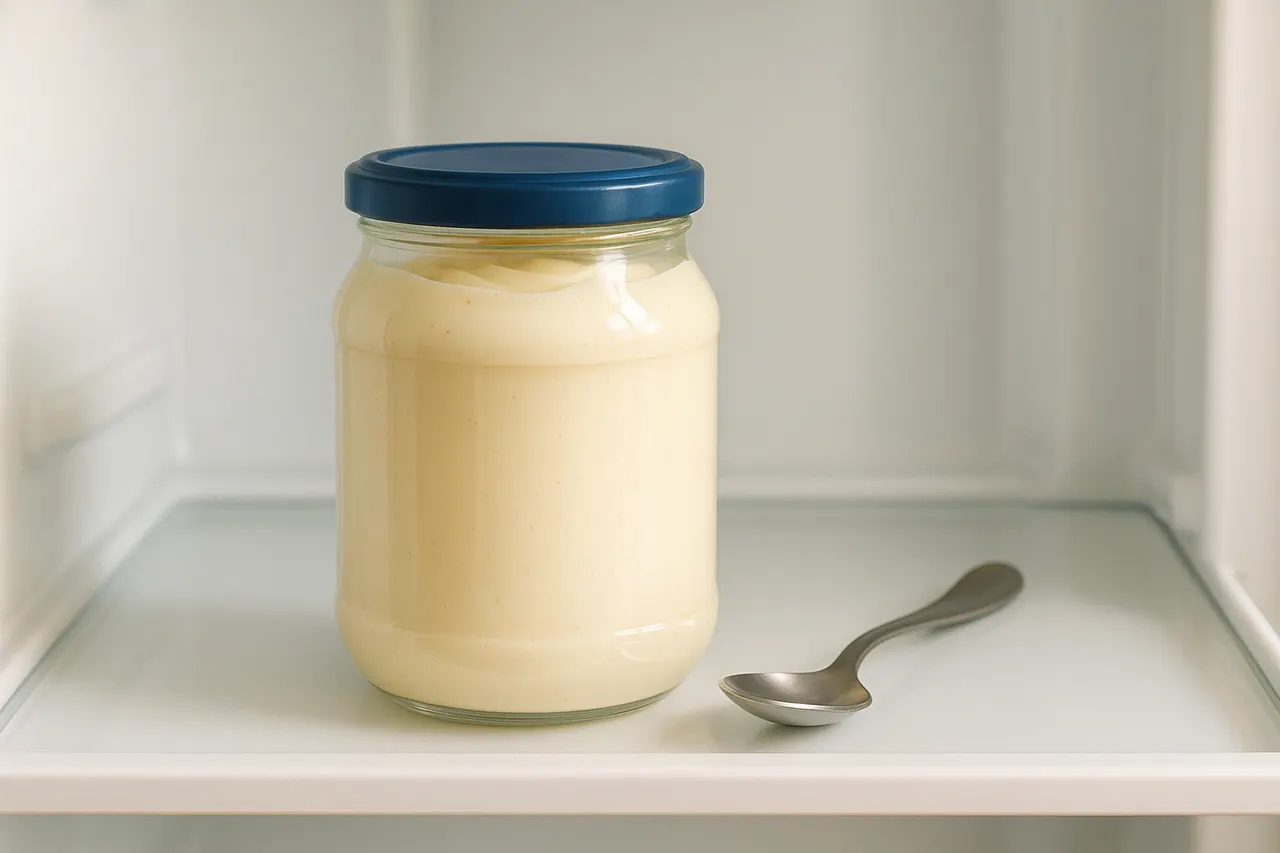
- Use room-temperature eggs and oil to help the emulsion form quickly and reduce chance of breaking.
- If you prefer less raw egg risk, use pasteurized eggs or pasteurized egg products available in many stores.
- For flavor variations, stir in 1–2 teaspoons of minced garlic, 1 tablespoon chopped fresh herbs, or 1–2 teaspoons Dijon and honey after the mayo is formed.
- A hand blender in a tall jar is the fastest method and produces very consistent results in about 30–60 seconds.
- If the mayonnaise is very thick, add up to 1 teaspoon of warm water at a time to thin without diluting flavor too much.
- Measure the oil by volume (240 ml) for reliable consistency; heavier oils like extra-virgin olive oil can make the mayo bitter if used exclusively. Use light-tasting oil for neutral mayo.
- Homemade mayonnaise contains raw egg; keep refrigerated at or below 40°F (4°C) and consume within 4–5 days to reduce food safety risk.
- Discard mayonnaise if it develops off odors, mold, or any signs of spoilage — do not taste-test suspicious samples.
- If you are pregnant, elderly, immunocompromised, or serving to young children, consider using pasteurized eggs or a pasteurized egg product to reduce risk of Salmonella.
- Avoid cross-contamination by using clean utensils and containers; never return used portion to the original jar.
Was this guide helpful?
More Food & Entertaining guides
How to make stovetop shakshuka with tender eggs and balanced tomato sauce
Shakshuka is a comforting North African–style skillet of eggs poached in a spiced tomato sauce. This guide walks you through building a balanced sauce and gently cooking tender eggs on the stovetop so yolks stay silky while the sauce is bright and flavorful.
How to make homemade sourdough starter and maintain regular feedings
Making a sourdough starter is a simple, rewarding kitchen project that captures wild yeast and beneficial bacteria to leaven bread. With just flour, water, and a little patience you can build a lively culture and keep it healthy with regular feedings. Follow the step-by-step routine below to create and maintain a starter that will power many loaves.
How to assemble and store layered salads so they don’t get soggy before eating
Layered salads are a colorful, make-ahead way to serve a crowd, but soggy ingredients can ruin the texture. With a few simple construction and storage strategies you can keep greens crisp and dressings separated for 24–72 hours. Follow these steps to assemble jars or bowls that travel well and taste fresh when served.